If you've been exploring custom apparel printing, you've likely come across dtf transfers as a game-changing technology. Unlike traditional methods that require specialized equipment or messy processes, DTF (Direct to Film) transfers offer a versatile, cost-effective way to produce vibrant, durable prints on a wide range of fabrics. In this guide, we'll walk you through everything you need to know about DTF transfers, from how they work to why they might be the perfect solution for your printing needs.
What Are DTF Transfers?
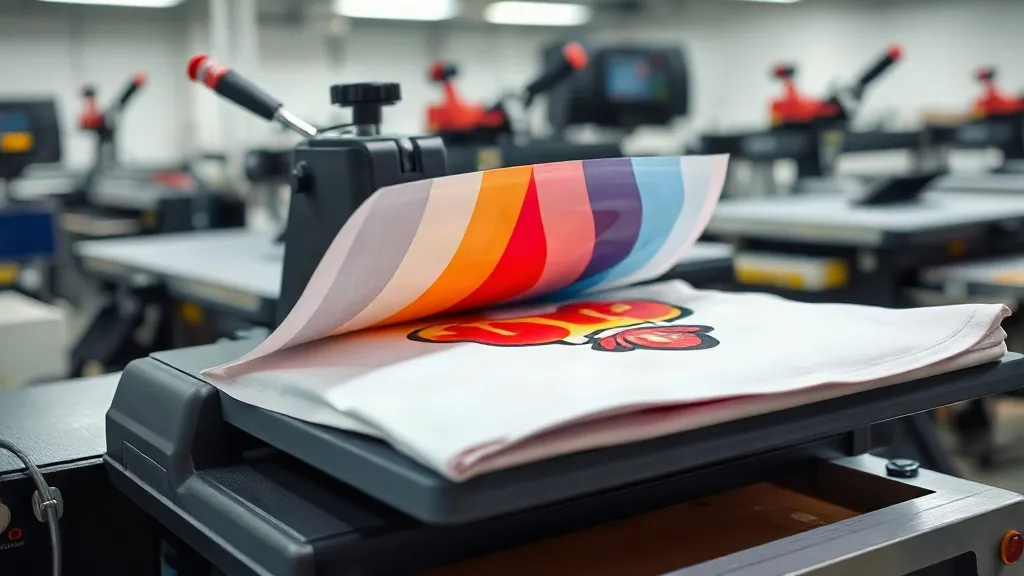
DTF transfers are a type of heat-applied transfer that involves printing a design onto a special film, then using a heat press to adhere it to fabric. The process begins with printing your artwork onto a PET film using specialized dtf inks. A layer of adhesive powder is applied to the wet ink, which is then cured. Once cured, the transfer is ready to be pressed onto garments. The result is a soft, flexible print that bonds permanently to the fabric, offering excellent wash durability and stretchability.
Why Choose DTF Transfers?
There are several compelling reasons why DTF transfers have become a favorite among printers and hobbyists alike.
Versatility Across Fabrics
One of the biggest advantages of DTF transfers is their ability to adhere to almost any fabric, including cotton, polyester, blends, and even nylon. This makes them ideal for printing on diverse garment types, from t-shirts and hoodies to tote bags and caps. Unlike some methods that struggle with dark or synthetic fabrics, DTF transfers produce consistent, vibrant results every time.
No Pre-Treatment Required
With DTF, you can skip the time-consuming pre-treatment step that other methods like DTG (Direct to Garment) require. This not only saves you time but also reduces the risk of errors, making the process more efficient and beginner-friendly.
Cost-Effective for Short Runs
DTF transfers are incredibly cost-effective for small to medium-sized orders. There's no need for expensive screens or setup fees, so you can profitably produce one-off items or small batches without breaking the bank. This makes DTF an excellent choice for personalized gifts, small businesses, or on-demand printing.
Exceptional Durability
When properly applied, DTF transfers are highly durable. They withstand repeated washing without fading, cracking, or peeling. The prints remain soft and flexible, moving with the fabric rather than feeling like a stiff layer on top. This longevity ensures customer satisfaction and reduces returns.
How to Apply DTF Transfers
Applying DTF transfers is straightforward, but following the correct steps is crucial for optimal results. Here's a quick overview:
- Preheat your heat press to the recommended temperature (usually around 300°F to 320°F).
- Place the garment on the press and pre-press for a few seconds to remove moisture and wrinkles.
- Position the transfer on the garment with the printed side facing up.
- Press with medium pressure for 10-15 seconds.
- Peel the film while it's still warm (or cold, depending on the film type).
- Post-press for a few seconds to ensure the print is fully bonded.
Always refer to the specific instructions provided with your transfers for the best results.
Finding DTF Transfers Near You
If you're looking to try DTF transfers for the first time, you might be wondering where to find them. Searching for dtf transfers near me can help you locate local suppliers or print shops that offer DTF services. However, online retailers like DTF Print Smart provide a convenient alternative, shipping high-quality transfers directly to your door. This is especially useful if you're in an area without local DTF providers or if you prefer the convenience of online ordering.
DTF vs. Other Printing Methods
To appreciate the value of DTF, it helps to compare it with other popular printing techniques.
DTF vs. Screen Printing
Screen printing is cost-effective for large orders but requires setup for each color, making short runs expensive. DTF excels in short runs and full-color designs without setup fees.
DTF vs. DTG
DTG printing is limited to cotton fabrics and often requires pre-treatment. DTF works on a wider range of fabrics and skips pre-treatment, offering greater flexibility.
DTF vs. Vinyl
Vinyl is great for simple designs but can be time-consuming to weed and apply. DTF handles complex, multi-color designs with ease and provides a softer feel.
Tips for Successful DTF Printing
- Use high-quality transfers: Invest in transfers from reputable suppliers to ensure vibrant colors and durability.
- Calibrate your heat press: Regularly check temperature and pressure for consistent results.
- Store transfers properly: Keep unused transfers in a cool, dry place to prevent damage.
- Test on scrap fabric: Before pressing onto a final garment, do a test press to fine-tune settings.
Frequently Asked Questions
How long do DTF transfers last?
With proper application and care, DTF transfers can last as long as the garment itself. They are resistant to fading, cracking, and peeling even after multiple washes.
Can I use DTF transfers on dark colors?
Absolutely! DTF transfers include a white ink layer that makes them opaque, so they show up vividly on both light and dark fabrics.
Do I need a special printer for DTF?
Yes, DTF printing requires a printer that uses DTF inks and a powder shaker. However, if you're buying pre-made transfers, you only need a heat press to apply them.
What is the best temperature for pressing DTF transfers?
Most DTF transfers are pressed at 300°F to 320°F (150°C to 160°C) for 10-15 seconds. Always check the instructions from your transfer supplier.
Are DTF transfers washable?
Yes, DTF transfers are highly washable. Turn the garment inside out and machine wash cold. Avoid bleach and tumble dry on low.
Whether you're a small business owner looking to expand your product offerings or a DIY enthusiast wanting to create custom apparel, DTF transfers provide a reliable, high-quality solution. With their versatility, durability, and ease of use, it's no wonder they're taking the printing world by storm. Ready to get started? Explore dtf transfers today and see the difference for yourself.