Walk into almost any small print shop today and you will spot a roll of film, a shaker of adhesive powder, and a heat press running hot. That setup usually means one thing: dtf transfers have become the default way to put full-color artwork onto fabric without the setup costs of screen printing. I have spent enough afternoons peeling film off cotton, polyester, and the occasional blend to know that the process looks simple and rewards people who pay attention to the details.
This guide is for the person who has ordered transfers, pressed a few shirts, and now wants to understand why some results look crisp and soft while others crack or feel stiff. It is also for anyone still deciding whether dtf belongs in their workflow at all. We will cover the mechanics, the material choices, the mistakes that show up most often, and the practical questions people ask before placing an order.
What Actually Happens Inside a DTF Transfer
DTF stands for direct to film, and the name describes the process almost completely. A printer lays water-based pigment inks onto a special PET film in reverse. While the ink is still wet, a layer of hot-melt adhesive powder is applied and cured. The result is a flexible sandwich: ink on top, adhesive underneath, film as the carrier.
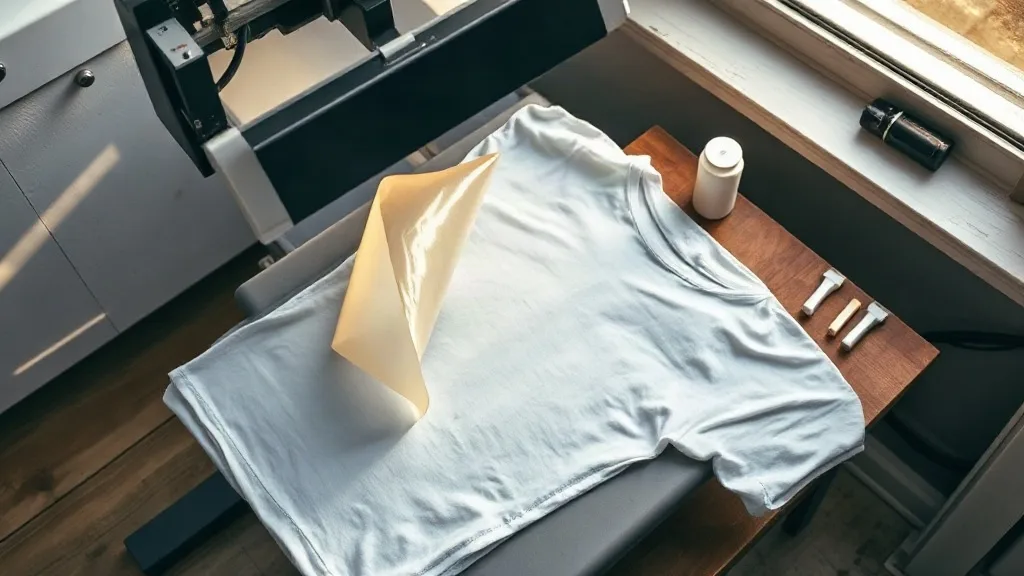
When you press that sandwich onto fabric, the adhesive melts into the fibers and the film peels away. What stays behind is a thin, elastic layer of color that moves with the garment instead of sitting on top of it. That is the key difference from older transfer papers, which often left a visible plastic square and a stiff hand feel.
Because the artwork is printed digitally, there is no screen to burn and no color separation to set up. You can run one shirt or two hundred from the same file, and gradients, photographs, and fine line work all reproduce without the color count driving up your cost.
Film, Powder, and Ink: The Three Variables That Matter
Most quality problems trace back to one of these three. Cheap film can wrinkle under heat or release unevenly. Adhesive powder applied too thickly leaves a rubbery surface, while too little creates weak adhesion at the edges. Ink limits and humidity affect how the print cures. If you buy transfers rather than print them, you are trusting the supplier on all three, which is why samples matter more than spec sheets.
Where DTF Transfers Make the Most Sense
Every decoration method has a sweet spot. DTF is unusually wide, but it is not universal. Here is where it earns its place:
- Small runs and one-offs. No minimums, no screen fees, no wasted setup time.
- Full-color artwork. Photographs, gradients, and multi-color logos cost the same as a single-color design.
- Polyester and blends. DTF sits on the surface rather than dyeing the fiber, so it avoids the color-shift issues that plague sublimation on cotton blends.
- Hard-to-reach placements. Sleeves, pocket areas, zipper pulls, and small left-chest prints are all manageable with a small press.
- Canvas, denim, and some synthetics. With the right temperature and pressure, adhesion holds on many flat-weave fabrics beyond standard apparel.
Where it struggles: heavy nylon, coated water-resistant shells, and anything with a slick finish that resists adhesive. Stretch fabrics also need care, because a print that does not stretch with the garment will eventually crack at the seams.
The Press Settings That Decide the Outcome
Most guides give a single temperature and time, then move on. In practice, the right settings depend on the fabric, the press, and the film. What stays constant is the order of operations.
- Pre-press the garment. Ten to fifteen seconds removes moisture and wrinkles. Skipping this is the single most common cause of poor adhesion.
- Position and press. Medium to firm pressure, with the film facing up and the design in reverse on the carrier.
- Peel at the right temperature. Most films are designed for a warm or cold peel. Peeling too hot can stretch the print; peeling too cold can leave adhesive on the film.
- Post-press with a cover sheet. A second short press through parchment or a Teflon sheet smooths the surface and locks the edges.
Temperature ranges generally land between 140 and 160 degrees Celsius, but treat that as a starting point. A press with an uneven platen will produce uneven results no matter what the dial says, so check your heat with an infrared thermometer before blaming the transfer.
Pressure Is the Setting People Ignore
Too little pressure and the adhesive never fully contacts the fiber. Too much and the ink spreads, edges blur, and fine detail fills in. Aim for the point where you can see a faint texture of the fabric through the film after pressing. If the print looks like it is floating on top, add pressure. If letters are fattening, back off.
Durability: What to Expect and How to Protect It
A well-applied DTF print on a compatible fabric will typically survive dozens of wash cycles without noticeable fading. Cracking usually comes from three things: insufficient pressure during application, washing inside out at high heat, or drying on a hot setting. The fix is mostly behavioral rather than technical.
For customers, the care instructions are short. Turn the garment inside out, wash cold, avoid fabric softener directly on the print, and either hang dry or tumble on low. For shops, the practical habit is to press a test piece from every new roll or batch, because film and powder quality do vary between suppliers and even between lots.
Buying Transfers vs. Printing In-House
This is the decision most people face first. Printing in-house means buying a printer, a shaker, a curing oven, and the space to run them. It gives you control and speed, and it makes sense if you are producing steadily and want to keep margins tight.
Ordering transfers means you skip the capital cost and the maintenance, and you can start with a heat press alone. The trade-offs are lead time and dependence on someone else's quality control. Many small operations start by ordering transfers, learn what good output looks like, and only then invest in equipment. That sequence tends to save money, because you already know which variables matter before you own the machines that control them.
If you are searching for dtf transfers near me, check turnaround times, whether gang sheets are offered, and whether the supplier will send a sample before you commit to a bulk order. A single test sheet tells you more about edge sharpness and hand feel than any product photo.
Common Mistakes and How to Avoid Them
After enough pressing sessions, a few patterns emerge. Here are the ones that cost the most time and material:
- Pressing on a cold platen. The first press of the day is often the worst. Let the machine stabilize.
- Reusing film. Once peeled, the carrier is spent. Trying to reuse it produces a ghost of the original design.
- Ignoring fabric weave. Tight weaves hold small detail; loose weaves like burlap swallow it. Adjust artwork weight accordingly.
- Stacking freshly pressed items. Give prints a minute to cool before stacking, or the adhesive can bond to the shirt above.
- Storing film in humid rooms. Moisture affects the powder. Keep rolls sealed and dry.
Questions People Ask Before Their First Order
Can DTF transfers go on dark and light shirts equally well?
Yes. Unlike dye-based methods, DTF lays a white ink base under the color, so a bright design on a black shirt stays bright. The main consideration is opacity: some films use a thicker white layer that feels slightly heavier on very light fabrics.
How long do unused transfers keep?
Stored flat, dry, and away from direct heat, most transfers remain usable for several months. Humidity is the real enemy, so keep them in a sealed bag with a desiccant pack if you live somewhere damp.
Do I need a commercial heat press?
A home press can work for light use, but consistency matters more than brand. What you need is even pressure across the platen and a temperature you can verify. A cheap press with a calibrated thermometer beats an expensive one you never check.
Why did my print crack after the first wash?
Nine times out of ten it is one of three causes: the garment was not pre-pressed, pressure was too light, or the peel happened at the wrong temperature. Re-press the cracked area with a cover sheet after the fact, but plan to change your process rather than repair individual shirts.
Is DTF suitable for cotton, or only synthetics?
Cotton is one of the best surfaces for DTF. The adhesive bonds well to natural fibers, and the print stays soft. Synthetics work too, but they require lower temperatures to avoid scorching, which means a slightly longer dwell time to reach full adhesion.