If you've been exploring custom apparel printing, you've likely come across dtf transfers. This innovative technology is changing the way designers and businesses approach fabric printing, offering vibrant colors and exceptional durability on a wide range of materials. In this guide, we'll walk you through the ins and outs of DTF printing, from the basics to advanced tips, so you can make informed decisions for your next project.
What Are DTF Transfers?
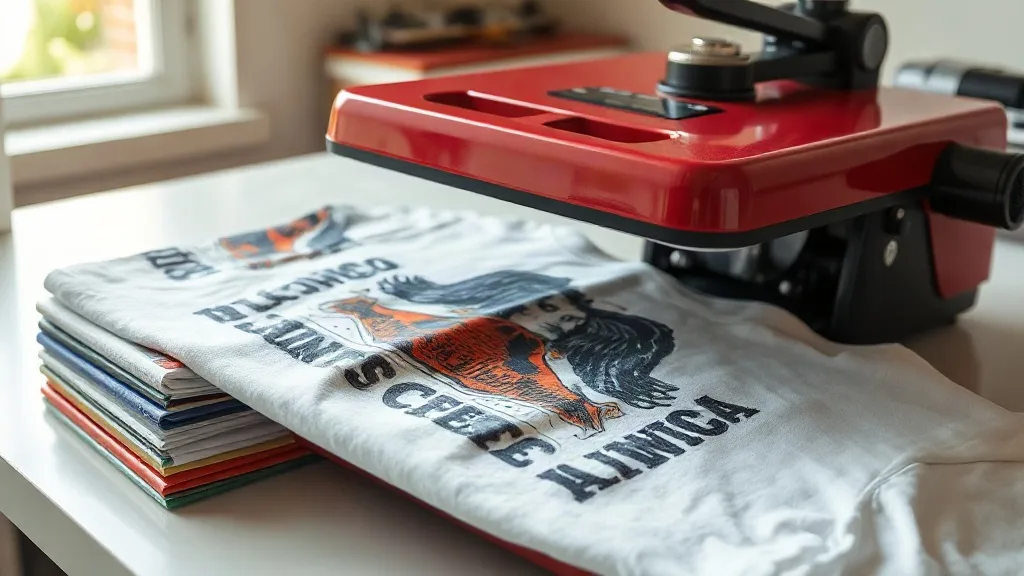
DTF stands for Direct-to-Film. It's a printing method where your design is printed onto a special film, then coated with a powder adhesive and heat-pressed onto fabric. Unlike DTG (Direct-to-Garment) or screen printing, dtf transfers don't require pre-treatment of the fabric and work on almost any material, including cotton, polyester, blends, and even nylon. The process is straightforward: print, powder, cure, and press. The result is a soft, stretchable print that holds up wash after wash.
Why Choose DTF Transfers?
There are several reasons why DTF transfers have become a favorite among print shops and hobbyists alike. Let's break down the key benefits.
1. Versatility Across Fabrics
One of the biggest advantages of DTF is its ability to adhere to a wide range of fabrics. Whether you're working with 100% cotton t-shirts, polyester jerseys, or blended hoodies, DTF transfers deliver consistent results. This makes them ideal for sports teams, corporate events, or any project where uniform printing across different garments is needed.
2. Vibrant, Detailed Prints
DTF printing uses water-based inks that produce bright, saturated colors. The high resolution allows for intricate details, gradients, and photographic images without losing clarity. If you're looking to create eye-catching designs, DTF is a top choice.
3. Durability and Washability
When applied correctly, DTF transfers are incredibly durable. They resist cracking, peeling, and fading, even after multiple washes. The key is proper application and following care instructions. We'll cover that later.
4. No Pre-Treatment Required
Unlike DTG printing, DTF doesn't require you to pre-treat the garment. This saves time and reduces costs, especially for small batches or one-off custom pieces. Simply press and go.
5. Cost-Effective for Small Runs
Screen printing can be expensive for small quantities due to setup costs. DTF transfers eliminate the need for screens, making short runs and personalized items affordable. You can print a single transfer or hundreds with ease.
How to Apply DTF Transfers
Applying DTF transfers is a straightforward process, but it requires attention to detail to ensure a professional finish. Here's a step-by-step guide.
Step 1: Prepare Your Heat Press
Preheat your heat press to the recommended temperature, typically around 150-160°C (300-320°F). Make sure the platen is clean and free of residue.
Step 2: Position the Transfer
Place the DTF transfer on the garment with the printed side facing up. If your transfer has a carrier film, ensure it's on top. Position it exactly where you want the design.
Step 3: Press
Cover the transfer with a protective sheet (like parchment paper or a Teflon sheet) to prevent sticking. Press with medium pressure for about 10-15 seconds. Avoid using too much pressure, as it can cause the adhesive to spread.
Step 4: Peel
Wait for the transfer to cool completely before peeling off the carrier film. Peeling while hot can distort the design. Once cool, peel slowly and evenly.
Step 5: Post-Press (Optional)
For added durability, you can do a second press for 5 seconds with a protective sheet. This helps the adhesive bond fully with the fabric.
Common Mistakes to Avoid
Even experienced users can run into issues. Here are some pitfalls to watch out for.
- Incorrect temperature: Too hot and the film may melt; too cold and the adhesive won't activate. Always check your press with a temperature gun.
- Peeling too soon: Patience is key. Let the transfer cool before peeling.
- Using too much pressure: This can cause the adhesive to bleed, resulting in a messy edges.
- Not storing transfers properly: Keep unused transfers in a cool, dry place away from direct sunlight.
DTF vs. Other Printing Methods
How does DTF stack up against DTG, screen printing, and vinyl? Here's a quick comparison.
- DTF vs. DTG: DTF works on more fabrics and doesn't require pre-treatment, but DTG can be softer on 100% cotton.
- DTF vs. Screen Printing: Screen printing is more cost-effective for large runs, but DTF wins for small batches and complex designs.
- DTF vs. Vinyl: Vinyl is limited to simple shapes and solid colors, while DTF handles full-color images and gradients.
Finding DTF Transfers Near You
If you're looking to try DTF printing, you might be wondering where to get transfers. Searching for dtf transfers near me can help you find local suppliers, but online options often offer more variety and convenience. Many companies provide custom transfer services where you upload your design and receive ready-to-press films. When choosing a supplier, check for print quality, turnaround time, and customer reviews.
Tips for Long-Lasting Prints
To ensure your DTF prints stand the test of time, follow these care tips:
- Wash garments inside out in cold water.
- Avoid using bleach or harsh detergents.
- Tumble dry on low or hang dry.
- Do not iron directly on the print.
Frequently Asked Questions
Can I use DTF transfers on dark fabrics?
Yes, DTF transfers work beautifully on dark fabrics. The white ink layer in the transfer ensures that colors pop, even on black or navy backgrounds.
How long do DTF transfers last?
With proper care, DTF transfers can last as long as the garment itself. They are resistant to cracking and fading, but always follow the care instructions.
Do I need a special printer for DTF?
Yes, DTF printing requires a DTF printer and specialized inks. However, you can purchase pre-printed transfers from suppliers if you don't want to invest in equipment.
Can I stretch the fabric after printing?
DTF transfers are flexible and can stretch with the fabric without cracking. However, avoid excessive stretching to maintain longevity.
Is DTF printing eco-friendly?
DTF inks are water-based and generally more eco-friendly than some other methods, but always check with your supplier for specific certifications.
Ready to dive into DTF printing? Explore our collection of high-quality dtf transfers at dtf transfers and start creating stunning custom apparel today.