Direct-to-film (DTF) printing has revolutionized the garment decoration industry, offering unparalleled versatility and vibrant results on almost any fabric. Whether you're a small business owner looking to expand your product line or a hobbyist eager to explore new creative avenues, understanding dtf transfers is your gateway to professional-quality prints. In this guide, we'll walk you through the entire DTF process, from design to application, and share insider tips to help you achieve flawless results every time.
What Are DTF Transfers?
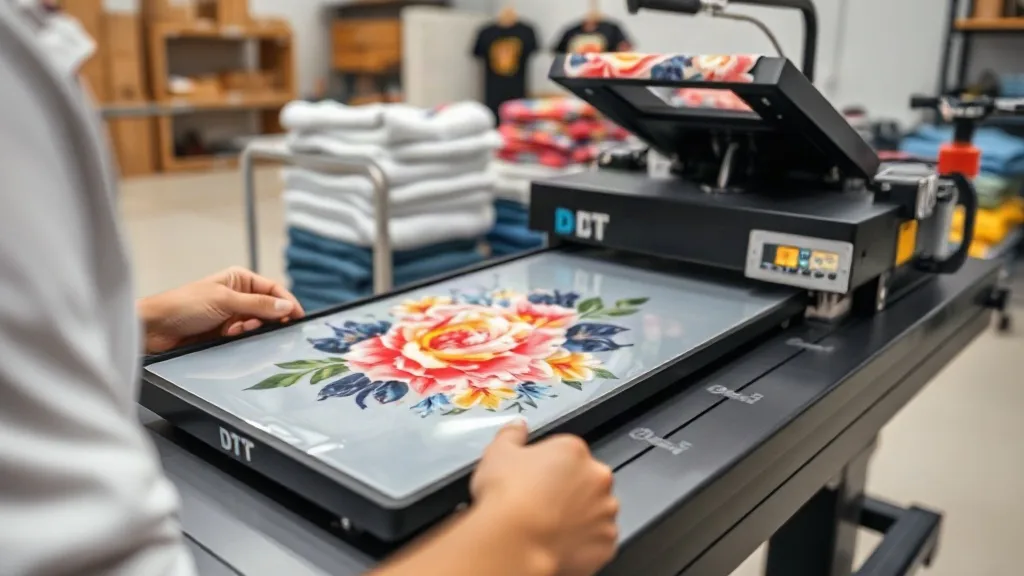
DTF transfers are printed designs on a special film that can be heat-pressed onto fabrics. Unlike other printing methods, DTF doesn't require pre-treatment of the garment, making it incredibly efficient. The process involves printing your design onto a PET film using a DTF printer with special inks, applying a powder adhesive, and then transferring the design onto the fabric with a heat press. This method works on cotton, polyester, blends, and even tough materials like nylon, delivering bright colors and fine details.
The DTF Printing Process Step by Step
1. Design Preparation
Start with a high-resolution image (300 DPI is ideal). Remember that DTF prints are opaque, so you don't need to worry about background colors unless you want a specific effect. Use design software to mirror your image horizontally, as the transfer will be flipped when pressed.
2. Printing the Film
Load your DTF printer with the appropriate film (usually PET) and DTF inks. Print the mirrored design onto the film. Ensure your printer settings are correct for DTF, including ink limits and color profiles. A good printer will lay down a white ink base followed by CMYK colors, which is crucial for opacity on dark fabrics.
3. Applying Adhesive Powder
While the ink is still wet, sprinkle DTF adhesive powder evenly over the printed area. Shake off excess powder, then cure the film using a heat press or a dedicated powder shaker and oven. The powder melts and bonds with the ink, creating a sticky layer that will adhere to the fabric during heat transfer.
4. Heat Press Application
Set your heat press to the recommended temperature (usually around 300°F to 325°F) and pressure (medium to firm). Place the cured film face-down onto the garment, cover with a protective sheet (like parchment paper or a Teflon sheet), and press for 10-15 seconds. Allow the garment to cool completely before peeling the film. Peeling while hot can cause the design to stretch or distort.
Why Choose DTF Transfers?
DTF offers several advantages over other printing methods:
- Versatility: Works on virtually any fabric, including dark and light colors, without the need for special coatings.
- Durability: When applied correctly, DTF prints resist cracking, fading, and peeling even after multiple washes.
- Cost-effective: No minimum order quantities, and the supplies are relatively affordable compared to screen printing setups.
- High detail: Achieve photorealistic images with fine lines and gradients.
Whether you're printing custom t-shirts, tote bags, or corporate uniforms, DTF delivers professional results with minimal fuss.
Choosing the Right DTF Supplies
Quality supplies are key to successful DTF printing. Here's what to look for:
- DTF Film: Use a reputable brand of PET film designed specifically for DTF. Cheaper films may cause ink smearing or poor powder adhesion.
- DTF Inks: Ensure they are compatible with your printer and have good color vibrancy. Always use white ink designed for DTF.
- Adhesive Powder: Choose a fine, consistent powder that melts evenly. Store it in a dry place to prevent clumping.
- Heat Press: A reliable heat press with accurate temperature and pressure control is essential. Consider a press with a large platen for bigger designs.
Investing in quality supplies will save you time and frustration, and ensure consistent results.
Common DTF Problems and How to Fix Them
Even experienced printers encounter issues. Here are some common problems and solutions:
- Ink smudging during printing: Check that your film is loaded correctly and that the printer's platen is clean. Adjust ink limits if necessary.
- Powder not sticking: Ensure the ink is still wet when applying powder. If the ink dries too quickly, increase humidity or apply powder immediately after printing.
- Design peeling after wash: This usually indicates insufficient pressure or temperature during application. Increase pressure and ensure even coverage. Also, make sure the garment is properly cooled before peeling.
- Faded colors: Use high-quality inks and ensure proper curing. Also, check that the heat press temperature is not too high, which can scorch the ink.
For more troubleshooting tips, refer to your printer's manual or seek advice from online DTF communities.
Finding DTF Transfers Near You
If you're not ready to invest in your own DTF printer, you can order custom transfers from professional services. When searching for dtf transfers near me, look for providers with positive reviews, fast turnaround times, and clear pricing. Many online services allow you to upload your design and receive ready-to-press transfers within days. This is a great option for testing the waters or for one-off projects.
Applications of DTF Transfers
DTF is incredibly versatile. Here are just a few ways you can use it:
- Custom apparel: T-shirts, hoodies, jeans, and more.
- Accessories: Tote bags, hats, and backpacks.
- Home decor: Pillow covers, curtains, and upholstery.
- Promotional items: Corporate gifts, event merchandise.
The possibilities are endless, limited only by your imagination.
Frequently Asked Questions
What fabrics can I use with DTF transfers?
DTF works on almost any fabric, including cotton, polyester, blends, nylon, and even leather. It's particularly effective on dark colors and materials that are difficult to print with other methods.
How long do DTF prints last?
When applied correctly, DTF prints can last as long as the garment itself. They are resistant to cracking, fading, and peeling, even after repeated washing. For best results, wash inside out in cold water and avoid harsh detergents.
Can I use DTF on light-colored shirts?
Absolutely. DTF prints are opaque, so they show up vividly on both light and dark fabrics. The white ink base ensures that colors remain bright and true.
Do I need a special printer for DTF?
Yes, you need a DTF printer that uses DTF inks and is capable of printing on film. However, if you don't want to invest in a printer, you can order DTF transfers from professional services and apply them with a heat press.
How do I store DTF transfers?
Store unused transfers in a cool, dry place away from direct sunlight. Keep them flat to prevent creasing. Properly stored transfers can last for several months.
Conclusion
DTF transfers offer a flexible, durable, and cost-effective way to add vibrant designs to a wide range of products. By following the steps outlined in this guide and using quality supplies, you'll be well on your way to achieving professional results. Whether you're printing for personal use or for your business, DTF is a skill worth mastering. So gather your materials, fire up your printer, and let your creativity flow.