
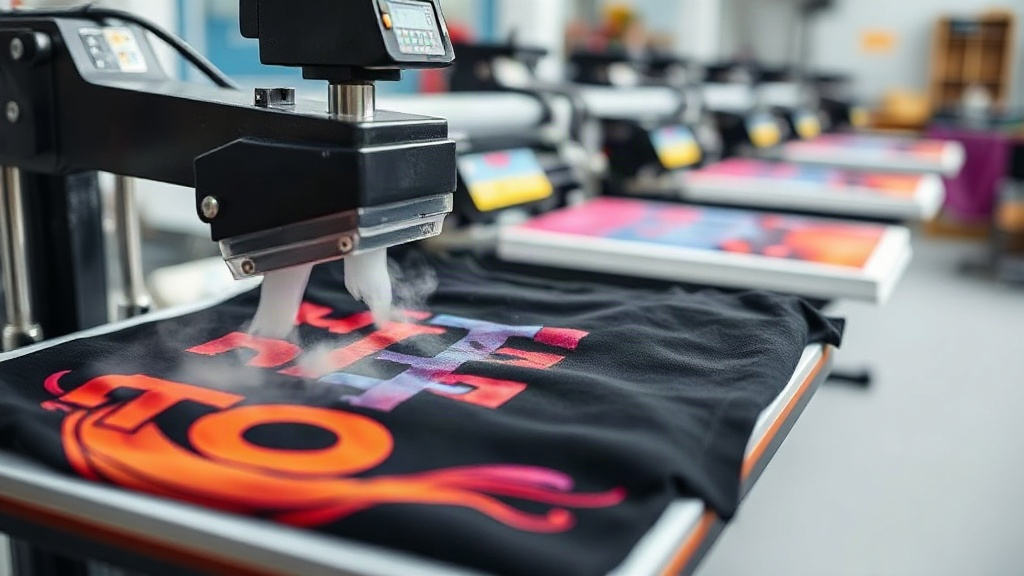
If you've been exploring custom apparel printing, you've likely encountered DTF Transfers. This innovative technology is rapidly gaining popularity for its versatility and vibrant results. Unlike traditional methods that require specific fabrics or extensive setup, DTF transfers offer a streamlined approach that works on a wide range of materials. In this guide, we'll dive into what DTF transfers are, how they work, and how you can use them to create stunning, long-lasting prints.
What Are DTF Transfers?
DTF stands for Direct to Film. It's a printing process where your design is printed onto a special PET film using water-based inks, followed by a layer of adhesive powder. The film is then cured and can be stored until you're ready to apply it. When heat-pressed onto a fabric, the adhesive melts, bonding the ink to the material. This method eliminates the need for pre-treatment or specialized fabrics, making it incredibly user-friendly.
Why Choose DTF Transfers?
There are several compelling reasons to consider DTF transfers for your printing needs:
- Versatility: Works on cotton, polyester, blends, and even some non-textiles like leather.
- Vibrant Colors: Produces bright, detailed prints with fine lines and gradients.
- Durability: Prints resist cracking, peeling, and fading after multiple washes.
- No Weeding: Unlike vinyl, there's no tedious cutting or weeding required.
- Cost-Effective: Low setup costs make it ideal for small businesses and hobbyists.
How DTF Transfers Work: Step by Step
Understanding the process helps you achieve professional results. Here's what happens from design to finished product:
1. Design Preparation
Your artwork is prepared in a graphics program, ensuring it's mirrored (unless using a printer with auto-mirror). The design is then printed onto a PET film using a DTF printer with CMYK and white inks. The white ink acts as a base, allowing the colors to pop on dark fabrics.
2. Powder Application
While the ink is still wet, a thermoplastic adhesive powder is applied evenly over the print. The excess powder is shaken off, leaving a thin layer adhering to the ink.
3. Curing
The film is then placed in a curing oven or under a heat press to melt the powder. This step is crucial for creating a flexible, durable bond. Proper curing ensures the transfer will withstand washing and stretching.
4. Transfer Application
Once cured, the transfer is ready to be applied. You'll need a heat press set to the appropriate temperature (usually 300-325°F) and pressure. The film is placed on the fabric, and heat is applied for 10-15 seconds. After a brief cool-down, the film is peeled away, leaving the design behind.
Choosing the Right Equipment
To get started with DTF transfers, you'll need a few key pieces of equipment:
- DTF Printer: Specialized printers that use DTF inks and print on film. Brands like Epson with DTF conversions are popular.
- Heat Press: A reliable heat press ensures even temperature and pressure for both curing and application.
- DTF Film: PET film designed for DTF printing, available in rolls or sheets.
- Adhesive Powder: Thermoplastic powder that bonds the ink to the fabric.
- Curing Oven: Optional but recommended for consistent curing, especially for larger batches.
Tips for Perfect DTF Transfers
Even though DTF is forgiving, following best practices will elevate your results:
- Test Your Settings: Every heat press varies. Run test presses to find the ideal temperature, pressure, and time for your setup.
- Pre-Press Fabric: Remove moisture and wrinkles from the garment before applying the transfer. This improves adhesion.
- Use Quality Materials: Cheaper films or powders can lead to poor durability. Invest in reputable supplies.
- Store Transfers Properly: Keep unused transfers in a cool, dry place away from direct sunlight to prevent premature curing.
- Wash Inside Out: Advise customers to wash garments inside out in cold water and avoid ironing directly on the print to extend its life.
Common Mistakes to Avoid
Newcomers often encounter a few pitfalls. Here's how to steer clear:
- Under-Curing: If the powder isn't fully melted, the transfer may peel. Ensure your curing temperature and time are accurate.
- Insufficient Pressure: Not enough pressure leads to poor adhesion. Adjust your heat press accordingly.
- Peeling Too Soon: Wait for the transfer to cool completely before peeling. Hot peel can distort the design.
- Ignoring Fabric Type: While DTF works on many fabrics, some like nylon or treated waterproof materials may require special low-temperature transfers.
DTF vs. Other Printing Methods
How does DTF stack up against DTG, screen printing, and vinyl?
- DTG (Direct to Garment): Best for 100% cotton, requires pre-treatment, and can be costly for small runs. DTF works on more fabrics and has lower setup costs.
- Screen Printing: Cost-effective for large orders but requires screens and setup. DTF is better for small batches and detailed designs.
- Vinyl: Great for simple designs but limited in color and detail. DTF offers full-color, photographic-quality prints.
Frequently Asked Questions
How long do DTF transfers last?
With proper application and care, DTF transfers can last as long as the garment itself. They resist cracking and fading for 50+ washes when cared for correctly.
Can I use DTF transfers on dark shirts?
Absolutely. The white ink base in DTF transfers allows vibrant colors to show up beautifully on dark fabrics.
Do I need a special printer for DTF?
Yes, you need a DTF printer or a converted printer that uses DTF inks and can handle film. Standard inkjet printers won't work.
What fabrics work best with DTF?
DTF works on cotton, polyester, blends, and even some non-wovens. It's not ideal for nylon or fabrics with heavy coatings.
Is DTF transfers cost-effective for small businesses?
Yes, DTF has low startup costs and no minimum order requirements, making it perfect for small businesses and on-demand printing.
DTF transfers are revolutionizing the custom apparel industry by combining simplicity, versatility, and professional results. Whether you're a hobbyist or a business owner, mastering DTF can open up a world of creative possibilities. With the right equipment and techniques, you'll be producing stunning, durable prints in no time.