If you've been in the custom apparel game for even a short time, you've likely heard the buzz around DTF printing. It's not just another acronym; it's a method that's changing how small shops and large operations alike approach garment decoration. Unlike traditional screen printing or vinyl cutting, DTF offers a unique blend of versatility, durability, and color vibrancy that's hard to match. But what exactly is it, and why should you care? Let's pull back the curtain on this technology and explore how it can elevate your projects.
What Is DTF Printing?
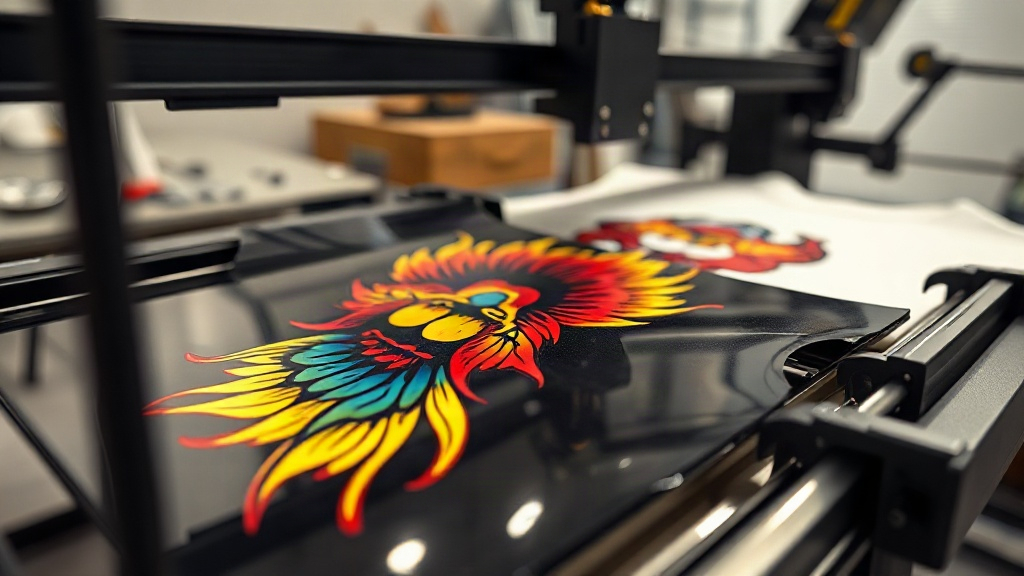
DTF stands for Direct-to-Film. As the name suggests, the process involves printing a design directly onto a special film, rather than onto the fabric itself. The printed film is then coated with a hot-melt adhesive powder, cured, and later transferred to the garment using a heat press. This two-step approach might sound complex, but it's surprisingly straightforward once you get the hang of it. The beauty lies in its simplicity: you can print intricate designs with fine details and gradients without worrying about color limitations or fabric type.
How Does It Differ from DTG and Screen Printing?
Direct-to-Garment (DTG) printing applies ink directly to the fabric, which works well for cotton but struggles on synthetics and dark colors. Screen printing, while cost-effective for large orders, requires separate screens for each color and isn't practical for small batches or photorealistic images. DTF bridges these gaps. It works on almost any fabric, including polyester, blends, and even leather. Plus, it handles full-color designs with ease, making it ideal for one-off custom pieces or small runs.
The DTF Process Step by Step
Understanding the workflow is key to mastering DTF printing. Here's a breakdown of what happens from digital file to finished garment.
1. Design Preparation
Start with a high-resolution image. Unlike screen printing, you don't need to separate colors; the printer handles that. However, ensure your design has transparent backgrounds if needed and is sized appropriately for your garment. Most DTF printers come with RIP software that manages color profiles and print settings. Take time to learn your software; it can make or break your output quality.
2. Printing onto Film
The printer lays down a layer of white ink first, followed by the colored inks. This white base is crucial for opacity, especially on dark fabrics. The film itself is coated with a release layer that allows the ink to transfer later. It's important to use quality film; cheap alternatives can lead to poor adhesion and washing issues.
3. Applying Adhesive Powder
While the ink is still wet, the film passes through a powder shaker that evenly coats it with a hot-melt adhesive. You then shake off the excess and cure the powder under heat, usually with a heat gun or in a curing oven. This step fuses the adhesive to the ink, creating a bond that will later stick to the fabric.
4. Heat Press Transfer
Finally, you place the film onto your garment and apply heat and pressure. The adhesive melts, bonding the design to the fabric. After a few seconds, you peel away the film (hot or cold peel, depending on the film type), leaving a vibrant, flexible print. The entire process, from print to press, can take less than 10 minutes once you're set up.
Why Choose DTF for Your Projects?
There are plenty of reasons why DTF printing has become a go-to for many creators. Here are some standout benefits:
- Fabric versatility: Works on cotton, polyester, blends, nylon, and even leather. No need for different inks or pretreatments.
- No color limitations: Print gradients, photographs, and fine lines without extra cost.
- Durability: When applied correctly, DTF prints withstand dozens of washes without fading or cracking.
- Cost-effective for small batches: No screens or setup fees, making short runs affordable.
- Soft feel: The prints are thin and flexible, unlike some vinyl options.
Common Applications
From custom t-shirts and hoodies to tote bags and caps, DTF shines on a wide range of items. It's particularly popular for personalized gifts, sports team jerseys, and promotional merchandise. Because it handles complex designs so well, it's also a favorite among artists and small business owners who want to offer unique, high-quality apparel.
Getting Started with DTF: Tips for Success
Ready to dive in? Here are some practical tips to help you avoid common pitfalls and achieve professional results.
Choose the Right Equipment
Not all DTF printers are created equal. Look for a printer with a reliable printhead (Epson or Ricoh are common), a robust powder shaker, and good support. If you're just starting, consider outsourcing your prints to a service like DTF Print Smart to test the waters before investing in your own setup.
Master the Heat Press Settings
Temperature, pressure, and time are critical. Too little heat and the print won't adhere; too much and you'll scorch the fabric or melt the adhesive. A general starting point is 325°F (160°C) for 10-15 seconds with medium pressure. Always test on a scrap piece first, as different fabrics and films may require adjustments.
Handle with Care
Store your printed films in a cool, dry place away from direct sunlight. When pressing, ensure the garment is lint-free and flat. Use a Teflon sheet or parchment paper over the transfer to protect your heat press. After pressing, follow the peel instructions for your film type (hot peel vs. cold peel) to avoid smudging.
Troubleshooting Common Issues
If your prints aren't sticking, check your pressure and temperature. If colors look dull, your white ink layer might be too thin. If the print feels stiff, you may be using too much powder. Keep a log of your settings and adjust systematically. Joining online forums or local printing groups can also provide valuable insights.
Frequently Asked Questions About DTF Printing
How long do DTF prints last?
With proper application and care, DTF prints can last 50+ washes. To maximize longevity, wash garments inside out in cold water and avoid harsh detergents or bleach. Tumble dry on low or hang dry.
Can I use DTF on dark shirts?
Absolutely. The white ink base provides opacity, so colors pop even on black or navy fabrics. Just ensure your printer is set to lay down enough white ink.
Do I need special ink for DTF?
Yes, DTF printing requires DTF-specific inks, typically CMYK plus white. These inks are formulated to work with the adhesive powder and transfer film. Using regular DTG or eco-solvent inks won't yield the same results.
What fabrics work best with DTF?
DTF adheres well to cotton, polyester, cotton-poly blends, nylon, and leather. It's not recommended for fabrics with heavy coatings or waterproof finishes, as adhesion may be compromised.
Is DTF printing cost-effective for small orders?
Yes, because there are no setup fees or minimums, DTF is ideal for one-off items or small batches. The cost per print is higher than screen printing for large runs, but for customization, it's a winner.
Whether you're a hobbyist or a growing business, DTF printing opens up a world of possibilities. With a bit of practice and the right tools, you can produce stunning, durable transfers that impress your customers. So why not give it a try? Your next project might just become your bestseller.