When you're in the middle of a custom apparel project, finding a reliable source for DTF prints can make or break your timeline. Maybe you've heard the term thrown around but aren't entirely sure what it entails, or perhaps you've already tried a few local shops and were less than impressed. Either way, you're likely typing "dtf transfers near me" into a search engine, hoping to land on a provider that delivers crisp colors, durable prints, and fair prices. This guide is designed to help you navigate that search with confidence. I'll walk you through what DTF transfers actually are, how to evaluate local suppliers, what questions to ask, and how to avoid the pitfalls that trip up many first-time buyers.
Understanding DTF Transfers: The Basics
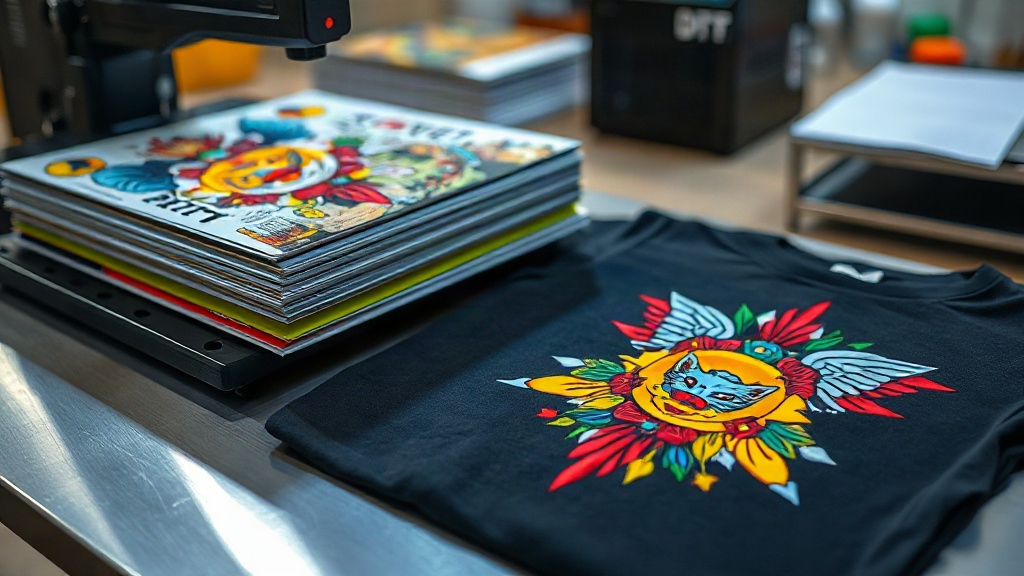
Before you start contacting businesses, it's worth understanding what makes DTF technology stand out. DTF stands for Direct to Film. Unlike traditional screen printing or heat transfer vinyl, DTF involves printing a design onto a special PET film using water-based inks. A layer of adhesive powder is then applied and melted, creating a transfer that can be pressed onto a wide variety of fabrics. This method has gained massive popularity because it offers vibrant colors, excellent washability, and works on cotton, polyester, blends, and even hard surfaces like mugs or wood.
The beauty of DTF is its versatility. If you've ever struggled with printing light-colored designs on dark garments or dealing with intricate details, DTF handles both with ease. No weeding, no complicated layering, just a single transfer that adheres smoothly. That's why many small business owners and hobbyists are turning to DTF as their go-to printing method.
Why It Makes Sense to Search Locally
When you search for "dtf transfers near me," you're not just looking for convenience. Local providers offer several advantages that online-only shops might not. First, you can see the quality in person. You can request a sample, feel the film, and even do a test press before committing to a bulk order. Second, turnaround times are often faster because you're not waiting for shipping. If a customer needs an order by Friday, a local supplier can often deliver by Wednesday, saving you both time and stress.
Local providers also allow for better communication. If there's a issue with color matching or a specific request, you can walk in and talk face-to-face. This personal interaction can prevent misunderstandings and lead to a more tailored result. Of course, not all local shops are created equal, so it's crucial to do your homework.
What to Look for in a DTF Transfer Provider
Finding a trustworthy local provider requires a bit of detective work. Here are the key factors to evaluate:
Print Quality and Equipment
The quality of the final transfer depends heavily on the equipment used. Look for providers who invest in professional DTF printers and curing ovens. Ask about their resolution, typically 1200 dpi or higher, and whether they offer white ink printing, which is essential for vibrant colors on dark fabrics. A provider that can show you samples of their work, especially on different materials, is a good sign.
Material Options
Not all PET films and adhesive powders are the same. Cheaper materials may peel or crack after a few washes. Inquire about the brands they use and whether they offer different film thicknesses. A good provider will explain the pros and cons of each option and recommend the best fit for your project.
Pricing and Turnaround Time
Pricing for DTF transfers varies based on size, quantity, and complexity. While it's tempting to choose the cheapest option, remember that quality often comes with a price. Look for transparent pricing structures with no hidden fees. Also, ask about their standard turnaround time and whether rush orders are available. A reputable provider will give you a clear timeline and stick to it.
Customer Support and After-Sales Service
How do they handle issues? If a transfer doesn't stick or colors are off, will they offer a replacement? Good customer service is a sign of a business that stands behind its products. Read reviews or ask for references from other local businesses that have used their services.
Questions to Ask Before You Commit
Once you've narrowed down your options, schedule a visit or a phone call with each provider. Prepare a list of questions to gauge their expertise and reliability. Here are some essential ones:
- What is your minimum order quantity? Do you offer samples?
- Can you show me examples of prints on different fabric types?
- What is your typical turnaround time for a standard order?
- Do you provide a color proof before printing?
- What kind of warranty do you offer on your transfers?
- How do you handle design files? What formats do you accept?
These questions will help you separate professionals from amateurs. A confident provider will welcome your inquiries and provide detailed answers.
Common Mistakes to Avoid
Even with a good provider, mistakes can happen if you're not careful. Here are some pitfalls to avoid:
Ignoring Fabric Types
Not all DTF transfers perform equally on every fabric. For example, high-performance sportswear with moisture-wicking properties may require a specially formulated transfer. Make sure your provider knows exactly what fabric you'll be using and can adjust the adhesive accordingly.
Skipping the Test Print
Always do a test print before placing a large order. This isn't just about checking colors; it's also about testing washability. Apply the transfer to a sample garment, wash it a few times, and see how it holds up. This simple step can save you from a batch of ruined shirts.
Overlooking File Preparation
Your design file plays a huge role in the final output. Make sure your artwork is high-resolution, at least 300 dpi, and in the correct color space (CMYK for printing). If you're not sure, ask your provider for guidance. Many offer design services for an extra fee, which can be worth it if you're not tech-savvy.
Comparing Local Providers: A Practical Checklist
To make your decision easier, create a comparison table based on the following criteria:
- Price per square foot or per transfer
- Minimum order requirements
- Turnaround time
- Quality of samples
- Customer reviews
- Warranty and return policy
- Equipment and technology used
By scoring each provider on these points, you can objectively decide which one meets your needs. Don't be afraid to negotiate if you're planning a long-term partnership; many local shops offer discounts for repeat customers.
How to Use DTF Transfers Effectively
Once you've found a reliable local source, it's time to integrate DTF transfers into your production process. Here are some tips for getting the best results:
Proper Application Techniques
Invest in a good heat press and follow the recommended temperature, pressure, and time settings for your specific transfer. Most providers will give you a technical data sheet. If not, ask for it. Consistent application ensures the adhesive bonds correctly and the print lasts.
Storage and Handling
Keep your transfers in a cool, dry place away from direct sunlight. Excessive heat or humidity can affect the adhesive properties. Handle the film by the edges to avoid fingerprints, which can cause adhesion issues.
Experiment with Different Products
Don't limit yourself to t-shirts. DTF transfers work beautifully on tote bags, caps, hoodies, and even mouse pads. By offering a variety of products, you can expand your product line and attract more customers.
Frequently Asked Questions
Can DTF transfers be used on any fabric?
DTF transfers are versatile, but they perform best on cotton, polyester, and blends. For specialty fabrics like nylon or spandex, you may need a specific type of transfer. Always test on a small piece first to ensure proper adhesion and washability.
How many washes can a DTF transfer withstand?
Most high-quality DTF transfers can withstand 60 to 100 washes if applied correctly. Factors like washing temperature, detergent, and drying method can affect longevity. Using cold water and air drying will extend the life of the print.
What is the minimum order quantity from local providers?
It varies. Some local shops have a minimum of just one sheet, while others require a minimum of 10 or 20. If you're a small business, look for providers that offer low minimums or even per-print pricing.
Are DTF transfers cost-effective for small runs?
Yes, DTF is extremely cost-effective for small runs compared to screen printing, which has high setup costs. You can order as few as one or two transfers without breaking the bank. This makes it ideal for custom orders and limited edition products.
Can I use my own printer for DTF, or should I outsource?
While you can purchase a DTF printer and do it yourself, the initial investment is significant. For most small businesses, outsourcing to a local provider is more practical, especially if you only need occasional prints. As your volume grows, you can consider investing in your own equipment.
Making Your Final Decision
Choosing a local provider for your DTF needs is a decision that can impact your brand's reputation. Take your time, do your research, and don't settle for less than quality. The right partner will not only supply you with excellent transfers but also offer advice and support to help your business thrive. Remember to use the search term "dtf transfers near me" wisely, and always inspect samples before committing to large orders. Your customers will notice the difference, and your business will benefit from the flawless prints that DTF technology offers.